Tag

Smallholder Farmers
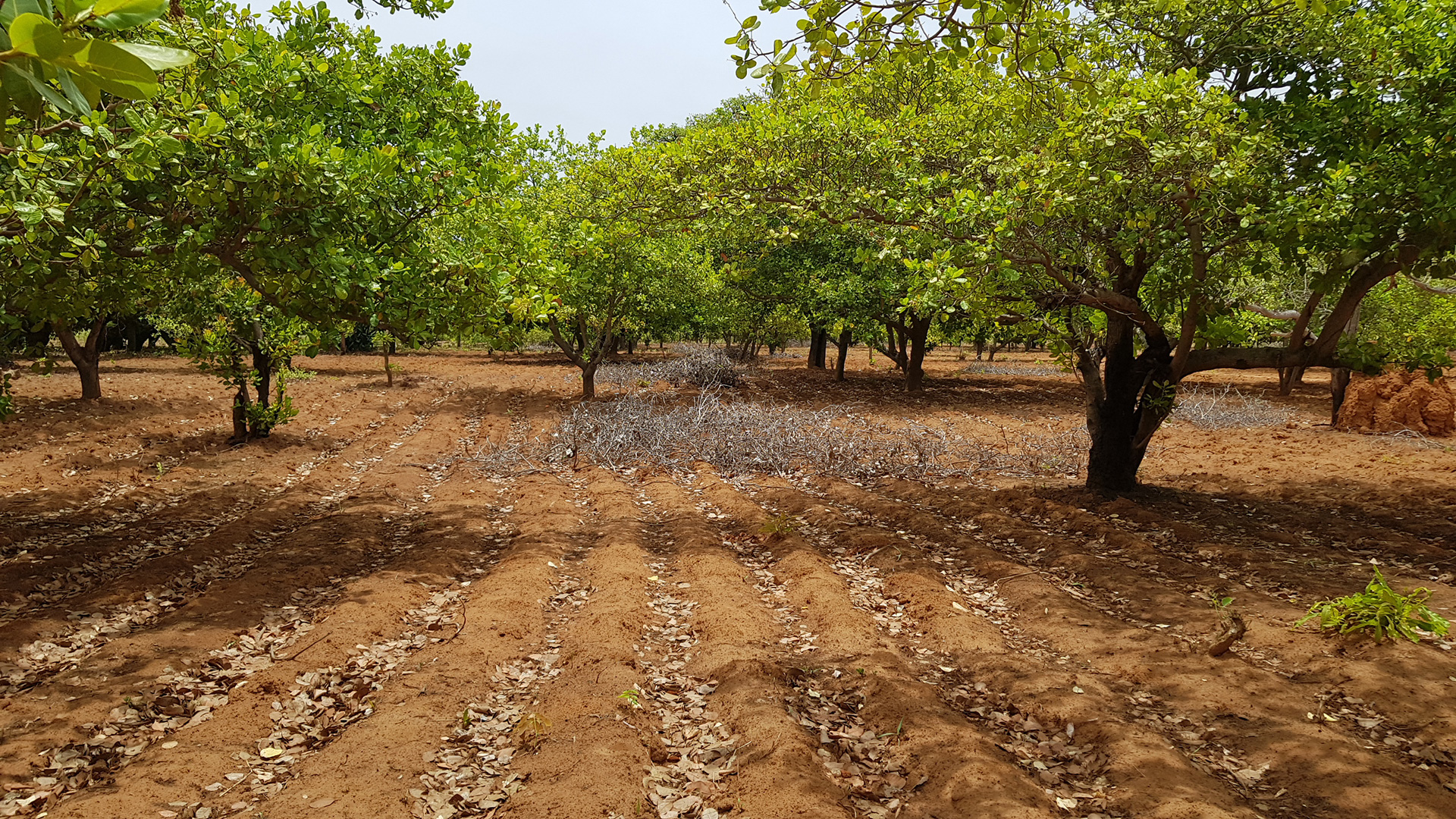
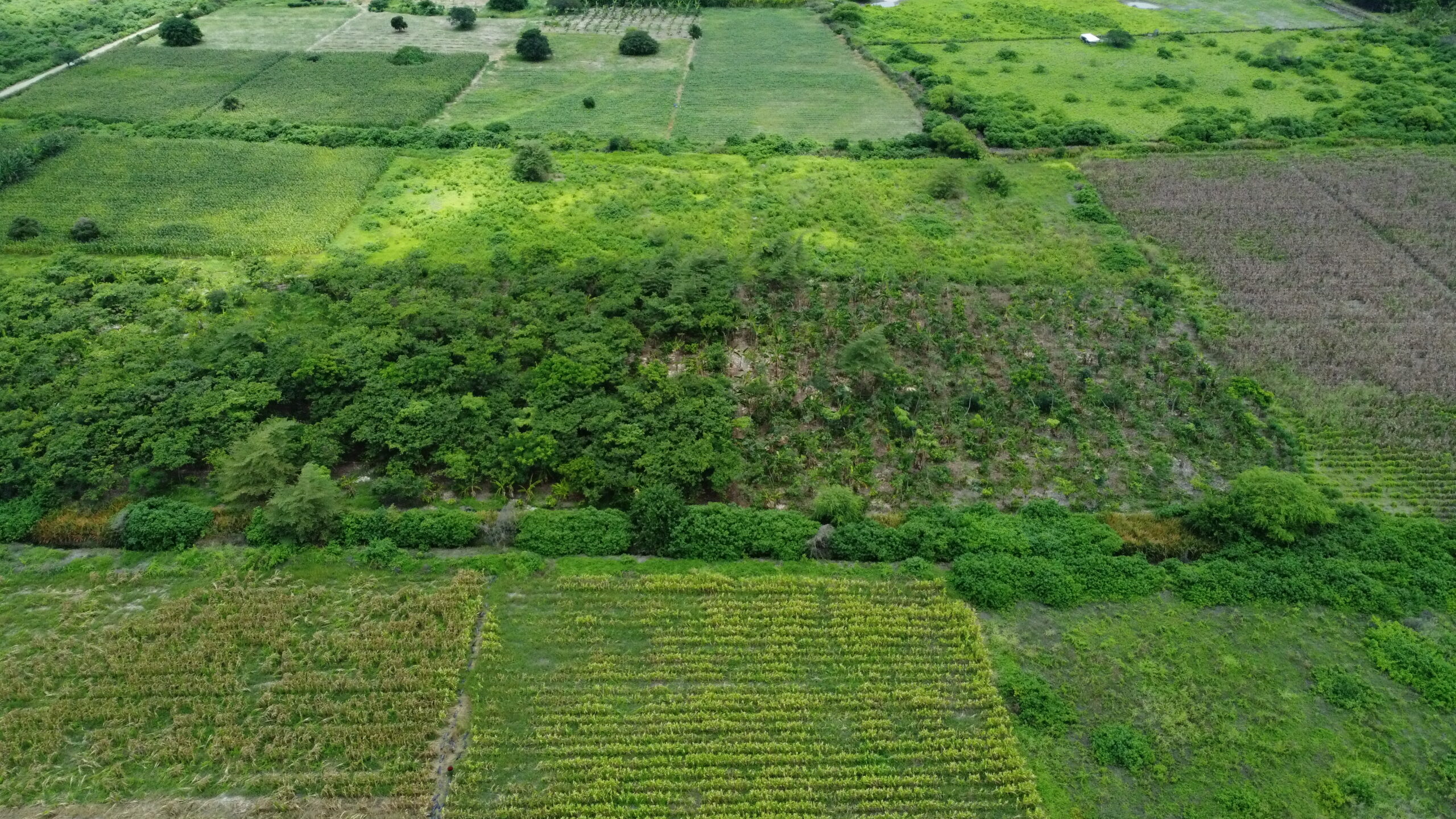
Cashew monoculture plantation in Burkina Faso with evenly spaced trees and dry soil, highlighting challenges of soil degradation and biodiversity loss
How Should Sustainable Agriculture be Adapted in a Changing Landscape?
Read More
The global demand for cacao has increased. To meet this demand, the cultivated area has been expanded in tropical forest areas and production has intensified by replacing traditional agroforestry systems with monocultures. This has led to a loss of biodiversity in cacao growing areas. The implementation of more sustainable agricultural practices for cacao production such...
Read More
Slash-and-burn remains one of the most common land preparation methods in tropical agriculture, used by both smallholders and large-scale farmers for annual and perennial cropping. However, this practice causes rapid soil fertility decline, biodiversity loss, erosion, and vulnerability to weeds, pests, and diseases. Dynamic Agroforestry (DAF), provides a fire-free and input-free alternative that combines productivity...
Read More
Agronomy for Sustainable Development
A recent study by Armengot et al. compared four cocoa production systems: agroforestry and monocultures, both under organic and conventional management, over the first five years after establishment. While monocultures produced 41% higher cocoa yields, agroforestry systems generated significantly higher total revenues due to the sale of by-crops like bananas and plantains. Importantly, the return...
Read More
frontiers in sustainable food systems journal
A recent study by Orozco-Aguilar et al. highlights the contributions of the CacaoFIT network—a collaborative effort among agronomists, researchers, and practitioners—to sustainable cocoa farming in Latin America and the Caribbean. By assembling data from 25 experimental field trials across diverse agroecosystems, the network explores various cacao cultivation models suitable for smallholder farmers. Key findings indicate...
Read More
journal of cleaner production
A recent study by Armengot et al. examines the environmental impacts of different cocoa production systems, focusing on smallholder contexts. The research compares four young cacao systems: conventional monoculture, organic monoculture, conventional agroforestry, and organic agroforestry. Using a life cycle assessment (LCA) approach, the study evaluates the food-energy-water nexus and ten environmental impact categories, such...
Read More
The study investigated whether cacao agroforestry systems lead to higher pest and disease incidence compared to monocultures. Contrary to traditional beliefs, the study found that when good cultural management practices—such as regular pruning, frequent harvesting, and prompt removal of diseased pods—are implemented, agroforestry systems do not have higher pest and disease rates than monocultures. In...
Read More
Environmental Research Letters
A recent study by Niether et al. presents a comprehensive meta-analysis comparing cocoa agroforestry systems with monocultures. Analyzing 52 articles, the research found that while cocoa yields in agroforestry systems are about 25% lower than in monocultures, the total system yields—including other crops like fruits and timber—are approximately ten times higher. This diversification contributes significantly...
Read More