Our services
Not all agroforestry stores the same amount of carbon. DAF stores two and a half times more than conventional monoculture cocoa, measured over 18 years on the same site. We quantify it plot by plot and design it into your supply chain as Scope 3 removals.
The evidence
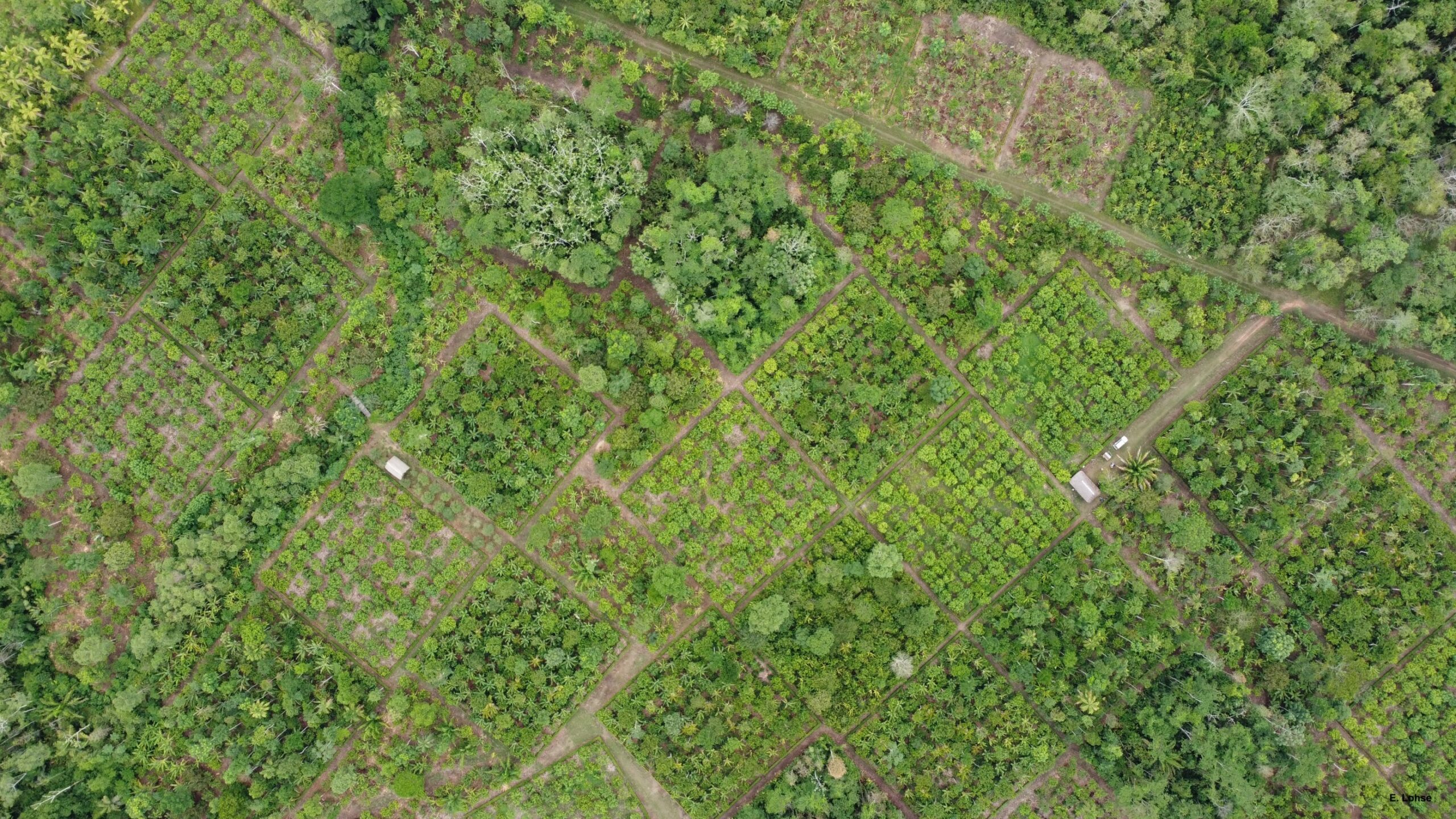
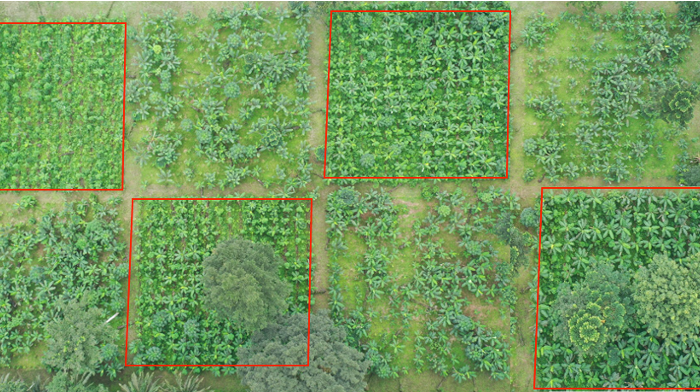
At the Sara Ana long-term trial in Bolivia, run with FiBL for 18 years, biomass carbon is measured on the same site across systems, and the results are peer-reviewed (Krause et al., 2025).
DAF stores 17.3 t CO₂ per hectare and year: two and a half times the conventional monoculture, and a fifth more than a simpler agroforestry system on the same site. That difference is the point. Most agroforestry stores some carbon; DAF is designed to maximise it while the farm earns.
Carbon sequestration
+10.4t CO2/ha/yr
more than conventional monoculture
Biomass carbon after 14 years, averaged annually. Krause et al. (2025), Agriculture, Ecosystems & Environment — SysCom Bolivia.
Why it holds
Short-cycle crops pay farmers while the trees grow. A system that pays is kept, not cleared, and that is what makes the carbon stay.
DAF plots stay cooler under heat stress than monocultures (Niether et al., 2018), so the system keeps producing when others fail.
DAF soils hold the rain instead of losing it (Fuchs et al., 2021), buffering the dry spells that kill conventional plots.
What we deliver
Most insetting programmes do not need a certificate. They need carbon figures you can defend: conservative, standard-aligned and documented down to the plot. That is what we build. If you later decide to certify, everything a verifier asks for is already on the table.
Before you commit, we tell you what a programme can deliver. We map your sourcing areas, assess current carbon stocks and sequestration potential, and run an ex-ante CO₂ quantification for realistic scenarios.
You receive
We design the programme to the level a certifier would expect, without locking you into certification. Baseline, additionality, quantification methodology, monitoring plan and permanence risks, all documented.
You receive
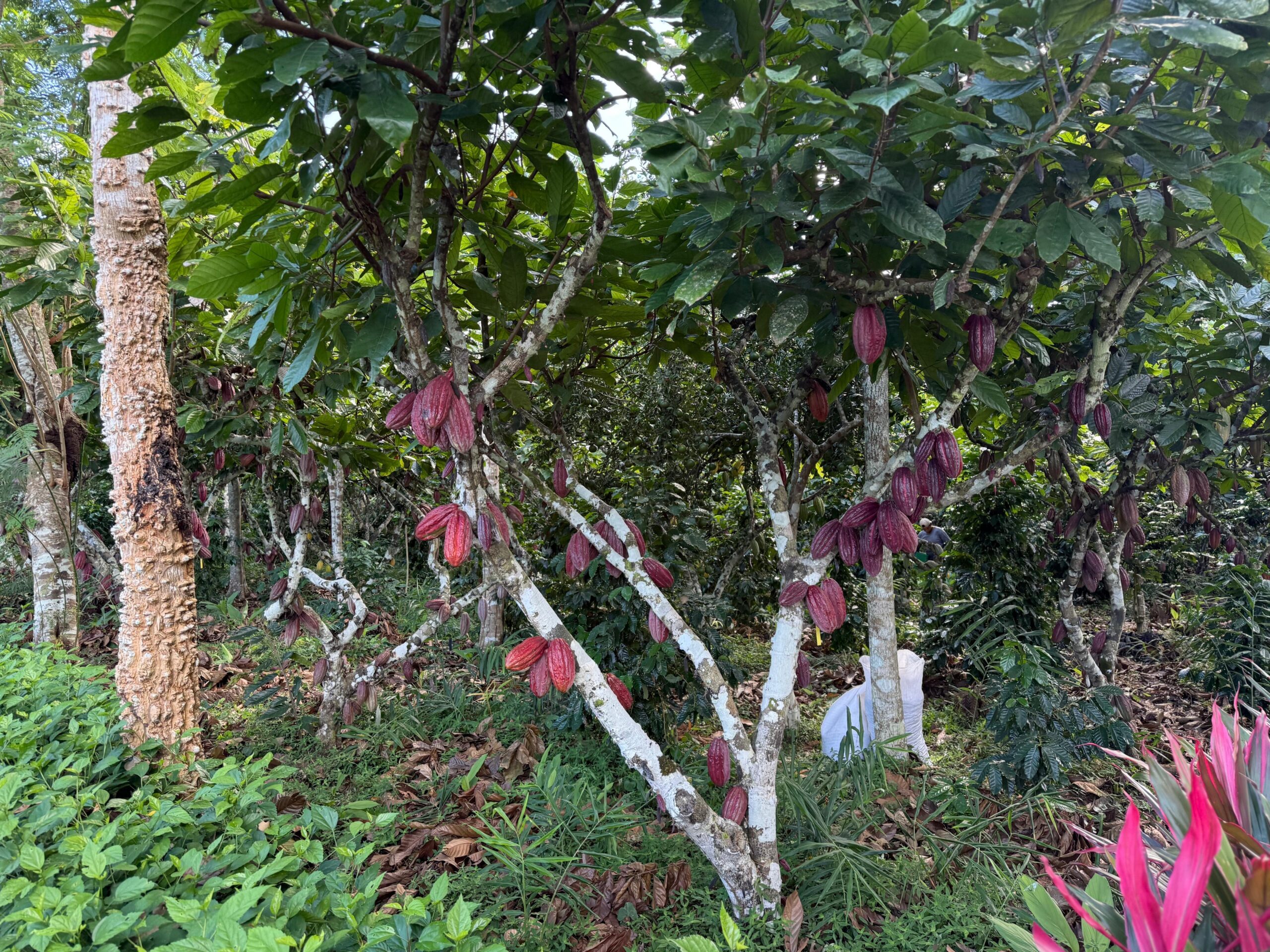
Our field teams build the DAF systems together with your farmers, plot by plot, and train local technicians to run them. Short-cycle crops give farmers income from year one, which is what keeps the trees standing.
You receive
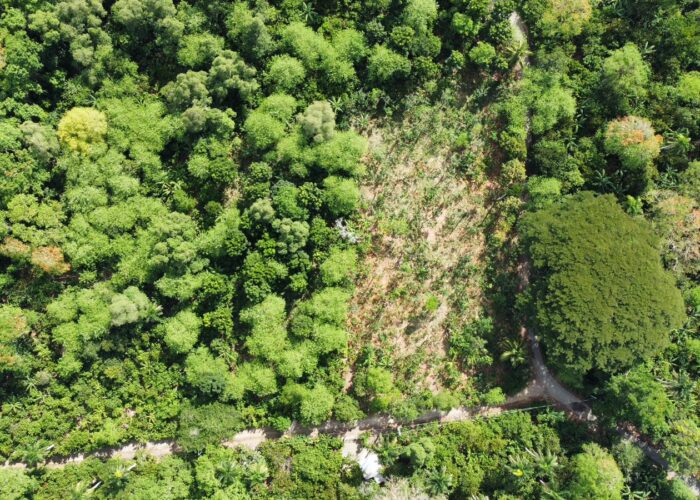
Every plot is tracked in the DAF Tracker. From that data we quantify the carbon annually and deliver the figures in a format that fits your Scope 3 reporting. If you want a certificate, the documentation is ready for a third-party verifier of your choice.
You receive
Our services
From the first assessment to handover to local teams.
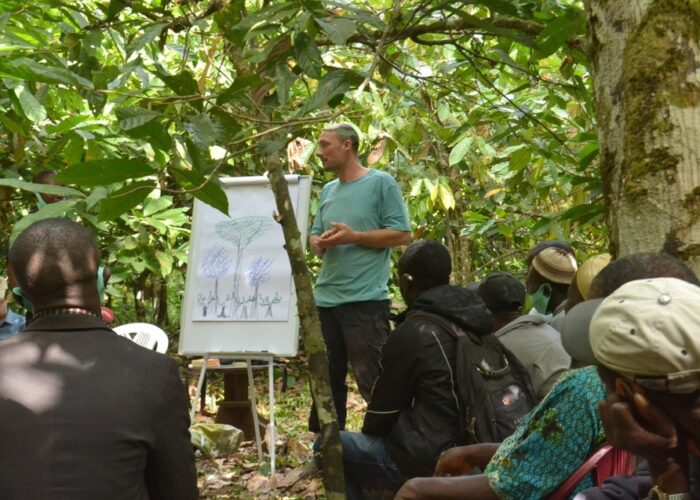
Learn more →20 years of practical experience, delivered as participatory training.
Learn more →Field data, dashboards and EUDR due diligence on one tool.
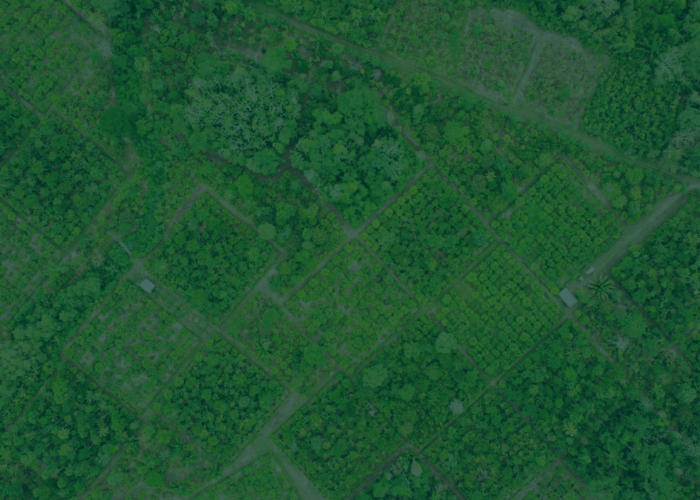
Learn more →Peer-reviewed trials proving DAF at scale.
Learn more →
Since 2021, ECOTOP has been instrumental in training our field agents and farmers in Dynamic Agroforestry through hands-on, practical, and theoretical support. Their approach has successfully built skills and conviction in adopting DAF practices, making them a highly valued and recommended partner.