Our Story

Founded in the early 2000s by Dr. Joachim Milz and a Swiss co-founder in Bolivia, ECOTOP pioneered and coined the term Dynamic Agroforestry (DAF) as a nature-based alternative to conventional agriculture—working with natural processes rather than against them. The approach restores soil, boosts productivity, and enhances biodiversity. Today, ECOTOP advances regenerative agriculture globally through research, implementation, training, and partnerships, helping scale Dynamic Agroforestry from local farms to large-scale landscapes.
1980s

From a Vision in the Bolivian Amazon to the beginning of a vast Movement

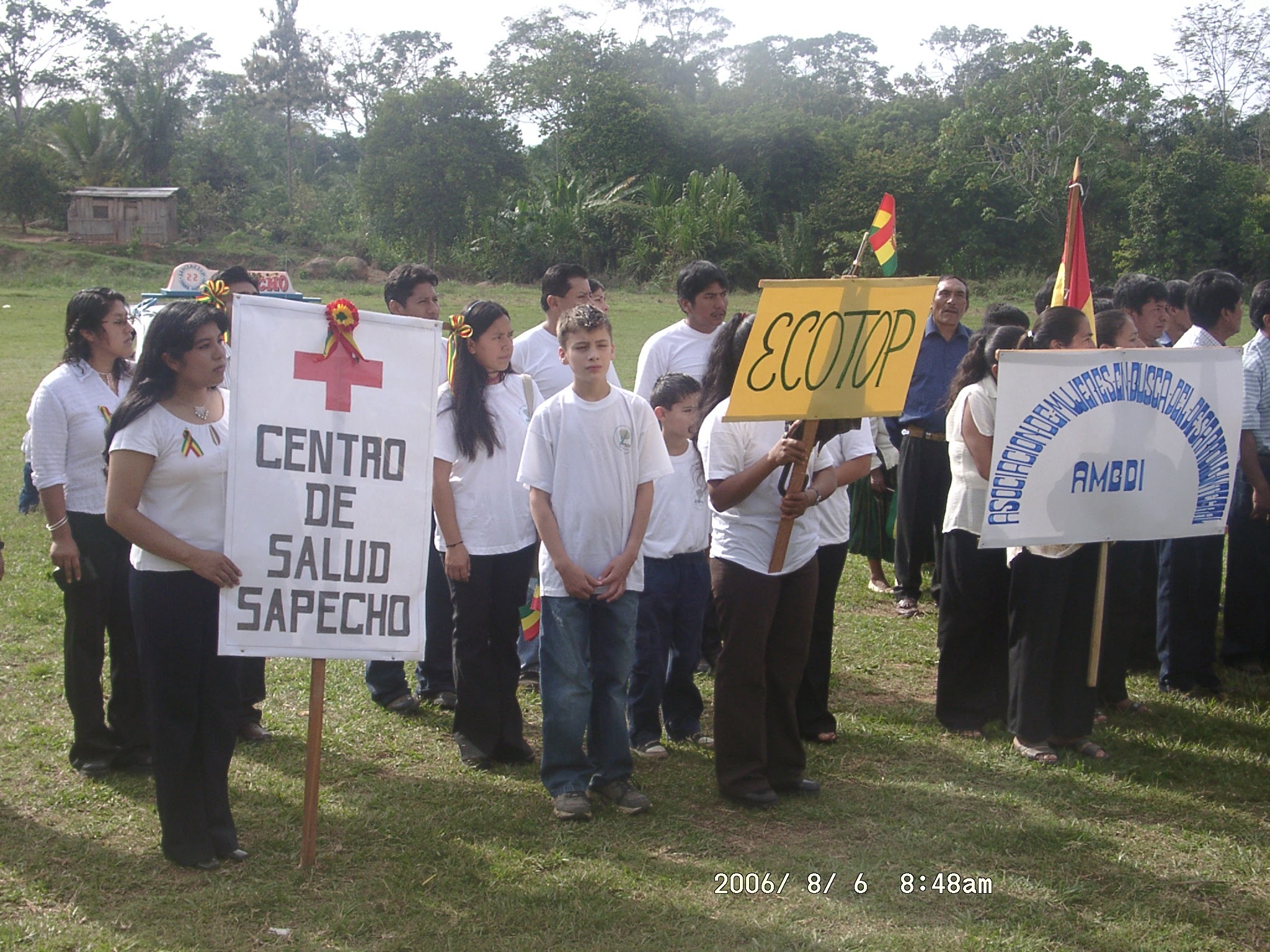
Our journey began in 1982, when Dr. Joachim Milz, a young agronomic engineer from Germany, moved to Sapecho, Bolivia, to work with the Deutscher Entwicklungsdienst (DED), the German Development Service (now part of GIZ). During his time as a cooperation worker in the Alto Beni region, he became deeply engaged with local farming communities and met his future Bolivian wife, further solidifying his connection to the region.

While working with the El Ceibo Cooperative — then a newly formed alliance of smallholder cocoa producers — Joachim played a decisive role in establishing the first certified organic cocoa supply chain in the world, launched in 1987. He was instrumental in forging the historic partnership between El Ceibo and the German company Rapunzel Naturkost, opening international markets for Bolivian organic cocoa and laying the foundation for a global movement.

Seeking to put his agricultural knowledge into practice, Joachim purchased a farm near Sapecho, which later became ECOTOP’s learning hub. This farm served as an experimental site where he explored ways to restore soil fertility, improve productivity, enhance pruning management, and increase resilience in tropical agriculture. His first experiments involved converting a degraded orange plantation into a polyculture system with leguminous cover crops and trees. However, he soon realized that simply adding more plants was not enough — a more systematic, nature-inspired approach was needed.

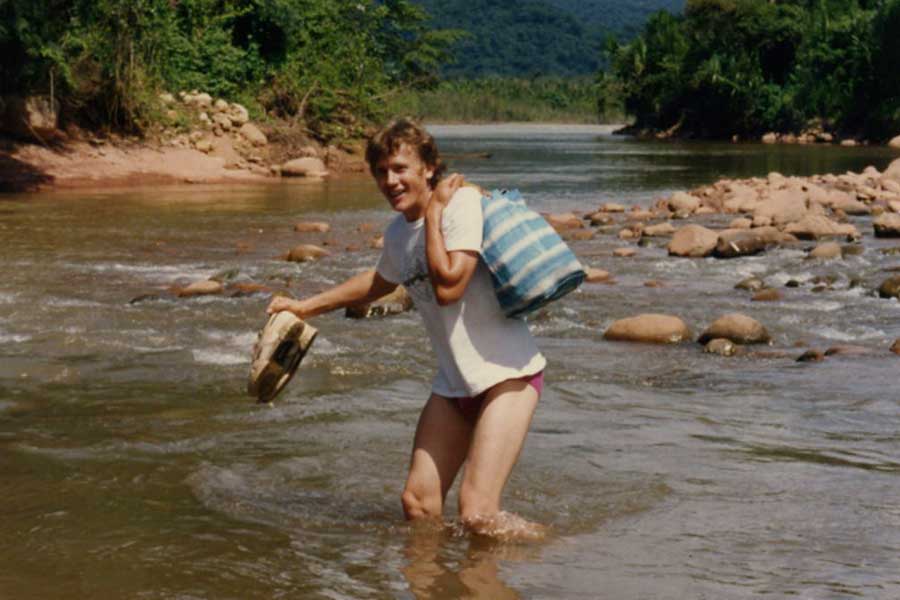
Joachim Milz in 1987 © Joseph Wilhelm
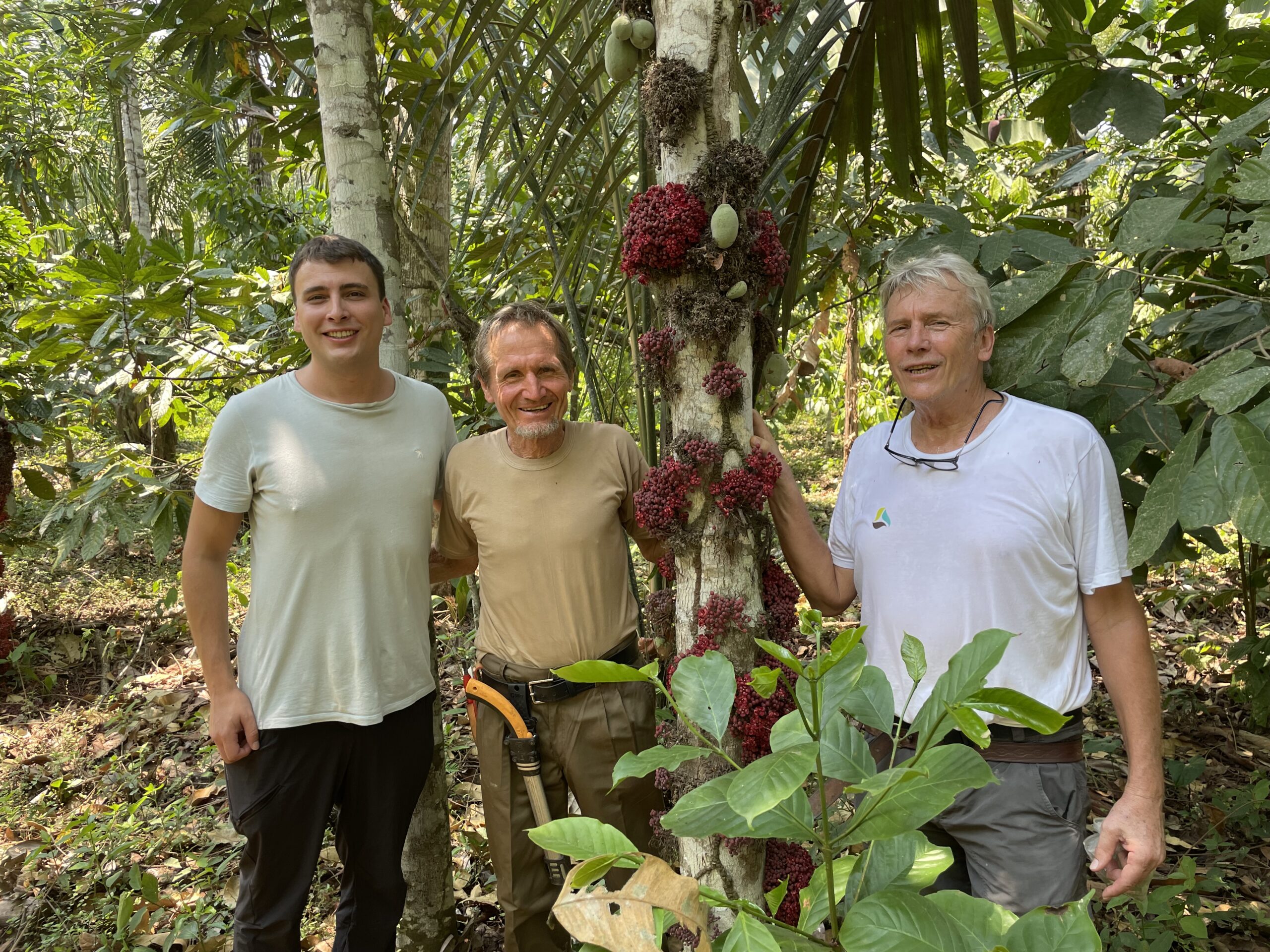
Johannes Milz, Ernst Götsch, and Joachim Milz standing beside a Theobroma speciosum tree laden with fruits on Joachim Milz’s Dynamic Agroforestry farm in Alt Beni, Bolivia
From left to right: Johannes Milz, Ernst Götsch, and Joachim Milz on the family farm in Alto Beni, Bolivia. © ECOTOP
1990s

Pioneering Dynamic Agroforestry

Determined to find a new farming model, Joachim began collaborating with a group of pioneer Bolivian farmers, such as Walter Yana — who continues to work with ECOTOP to this day. Their interest in successional agroforestry was sparked by a visit from Swiss agroforestry expert Ernst Götsch, whose pioneering concepts on forest succession and natural self-organization left a lasting impression. Deeply inspired, the group — led by Joachim — began experimenting and adapting these ideas on their own farms, converting degraded plots into diverse, resilient agroecosystems.

Refinement happened the only way it could at that stage: empirically. Through patient observation, trial and error, and small-scale field investigations on their own plots across Alto Beni, the group tested species combinations, pruning intensities, planting densities, and succession sequences — keeping what the soil and the canopy rewarded, discarding what didn’t. The approach was not designed at a desk; it was discovered by watching how nature operates and learning to work with it. What ECOTOP would later teach in classrooms and consult on across continents, they first grew with their own hands.

At this stage the approach was still referred to simply as successional agroforestry. It shared core ecological principles with Götsch’s parallel work in Brazil, but the Bolivian trajectory developed independently — shaped by Alto Beni’s soils, its cocoa cooperatives, and the realities of smallholder life. By the end of the decade the method was field-proven on a handful of farms, but it didn’t yet have a name that travelled, a science apparatus to defend it, or an institution behind it. That would change in the years that followed.

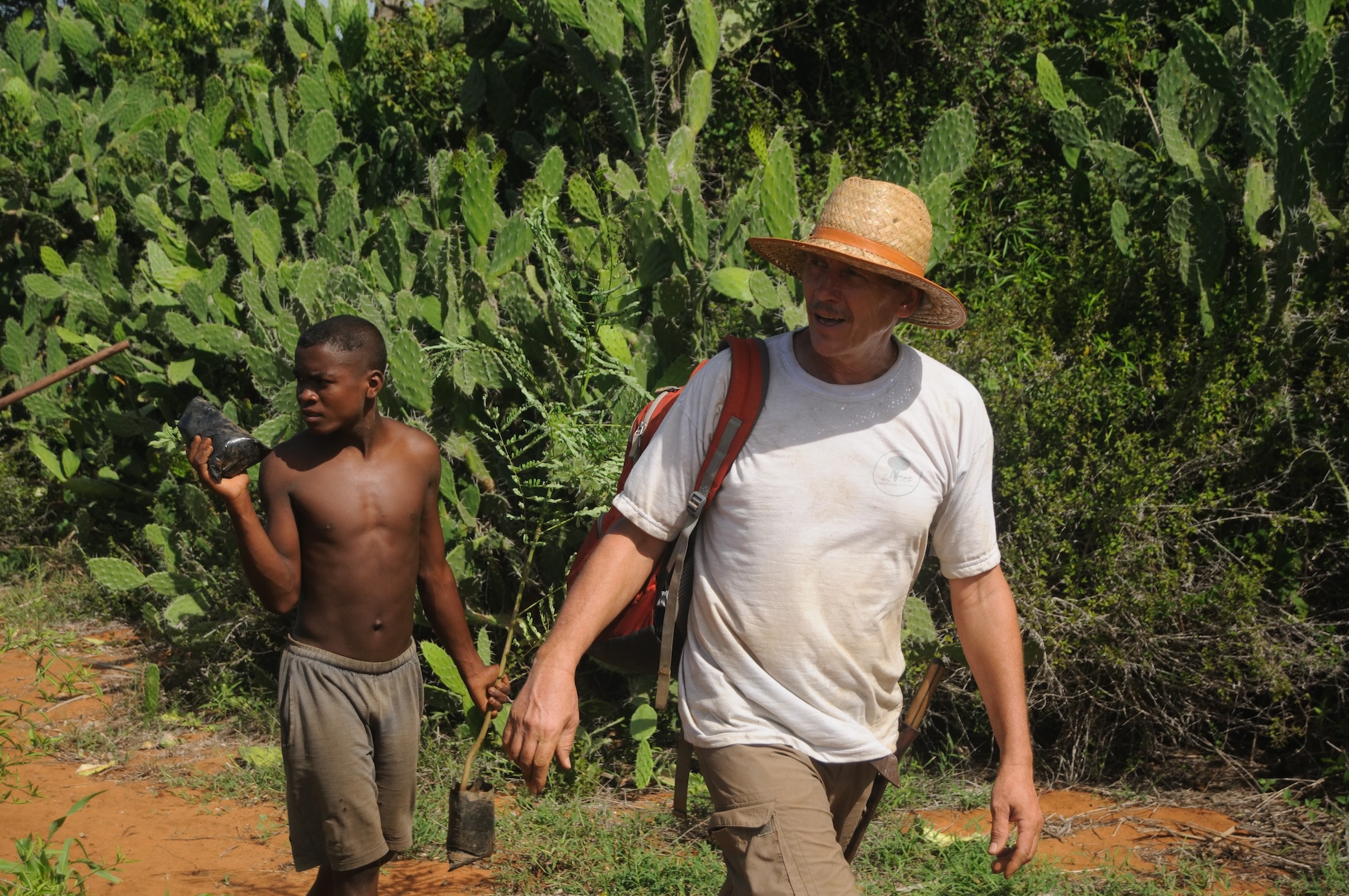
Joachim Milz walking beside a young local boy holding seedlings during a mission in Africa to promote reforestation and agroforestry.
Joachim Milz on a Mission in Kenya © ECOTOP
2000s

Beyond Organic: A More Regenerative Future

By the early 2000s, Joachim’s earlier work with Cooperativa El Ceibo had already produced a milestone the cocoa world still remembers — the first organic-certified chocolate, launched in 1987 with Rapunzel Naturkost. But two decades of farm-level experimentation had taught him something organic certification alone couldn’t deliver. Eliminating chemical inputs was a floor, not a ceiling. It didn’t regenerate soil, didn’t restore biodiversity, didn’t address the productivity ceiling smallholders kept hitting. The next move had to go further.

That move was to design self-sustaining farming systems — to build biodiversity and soil fertility rather than simply avoid synthetic inputs, and to prove that working with nature could improve both productivity and resilience. The mission was set: develop and disseminate scalable agroforestry models that regenerate landscapes while improving farmers’ livelihoods.

In 2003, ECOTOP SRL was formally constituted in Bolivia — the first legal vehicle for the practice, dedicated to developing, scaling, and consulting on the agroforestry method that had taken shape on Bolivian plots over the previous decade.

In 2005, the team formally introduced the term Dynamic Agroforestry to distinguish the Bolivian methodology — adapted for both smallholders and larger operations — from the parallel work emerging in Brazil. The name signalled both a debt to Ernst Götsch’s principles and a deliberate divergence: the Bolivian system was dynamic rather than dogmatic, with looser species protocols and an explicit pruning-driven fertility engine.

In 2008, ECOTOP began working with the Research Institute of Organic Agriculture (FiBL) of Switzerland to establish SysCom Sara Ana — a long-term scientific comparison of four cocoa production systems on a single Bolivian soil. Over the next two decades it would become the most-cited DAF cocoa dataset in the world.

By the end of the decade, the pieces were in place — a legal home in ECOTOP SRL, a name in Dynamic Agroforestry, and a long-term scientific apparatus in SysCom Sara Ana. The method was ready to scale.

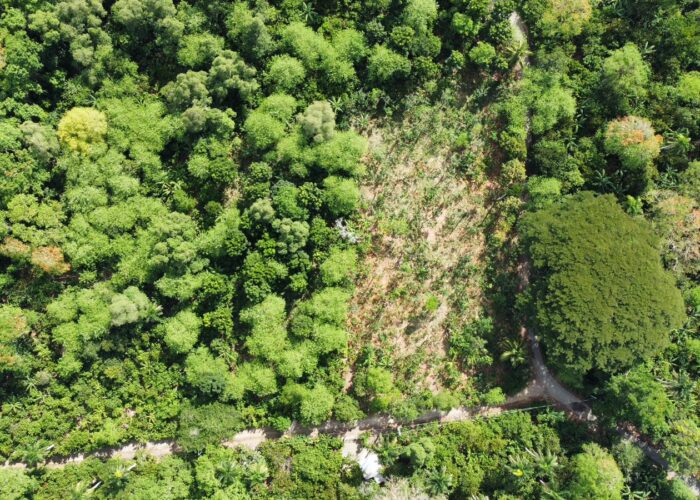
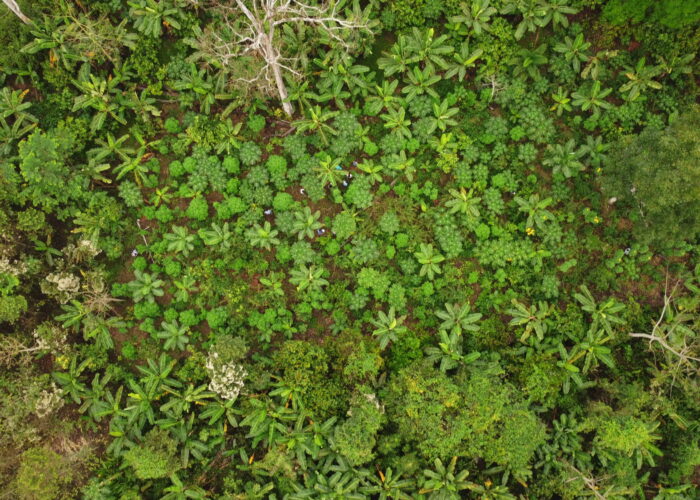
Dynamic Agroforestry (DAF) cocoa system in Bolivia with nearly 1 t/ha of cocoa yield, demonstrating high productivity alongside biodiversity and carbon sequestration.
Cocoa agroforestry plot in Bolivia managed under Dynamic Agroforestry principles, reaching close to 1 ton per hectare of cocoa yield.
2010s – Today

From a Bolivian Foundation to a Global Network

In 2010, Fundación ECOTOP was legally constituted in La Paz (Resolución 135/2010), adding a non-profit arm to ECOTOP SRL and giving the institution a dedicated vehicle for research, capacity building, and development cooperation alongside its existing consulting work. In 2018, ECOTOP Suisse GmbH was founded to handle international consulting and partnerships, anchoring the work across two jurisdictions and three complementary entities.

In Alto Beni, sustained presence and the credibility built alongside cocoa cooperatives translated into concrete policy outcomes. Municipal ordinances restricted slash-and-burn (chaqueo con quema) and established slash-and-mulch as the legal alternative. Soon after, community-led legal processes that ECOTOP accompanied resulted in Alto Beni being declared free of mining activity, protecting forests and water sources from regional gold-rush pressure.

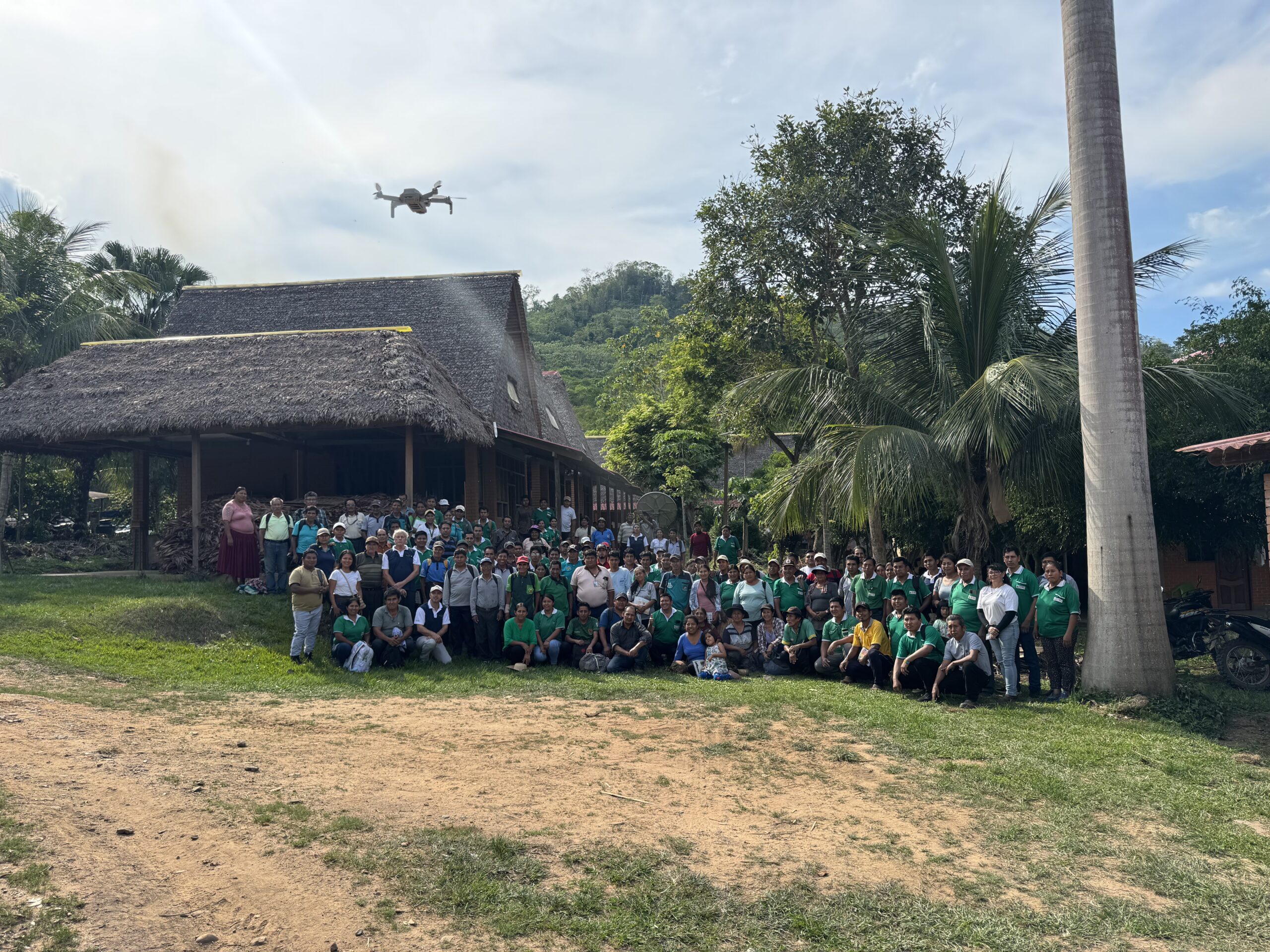
Alongside the territorial work, ECOTOP built the educational infrastructure to disseminate the method — most notably the Peritaje Indígena programme, a ten-module curriculum certified by the Universidad Católica Boliviana for indigenous and rural leaders.

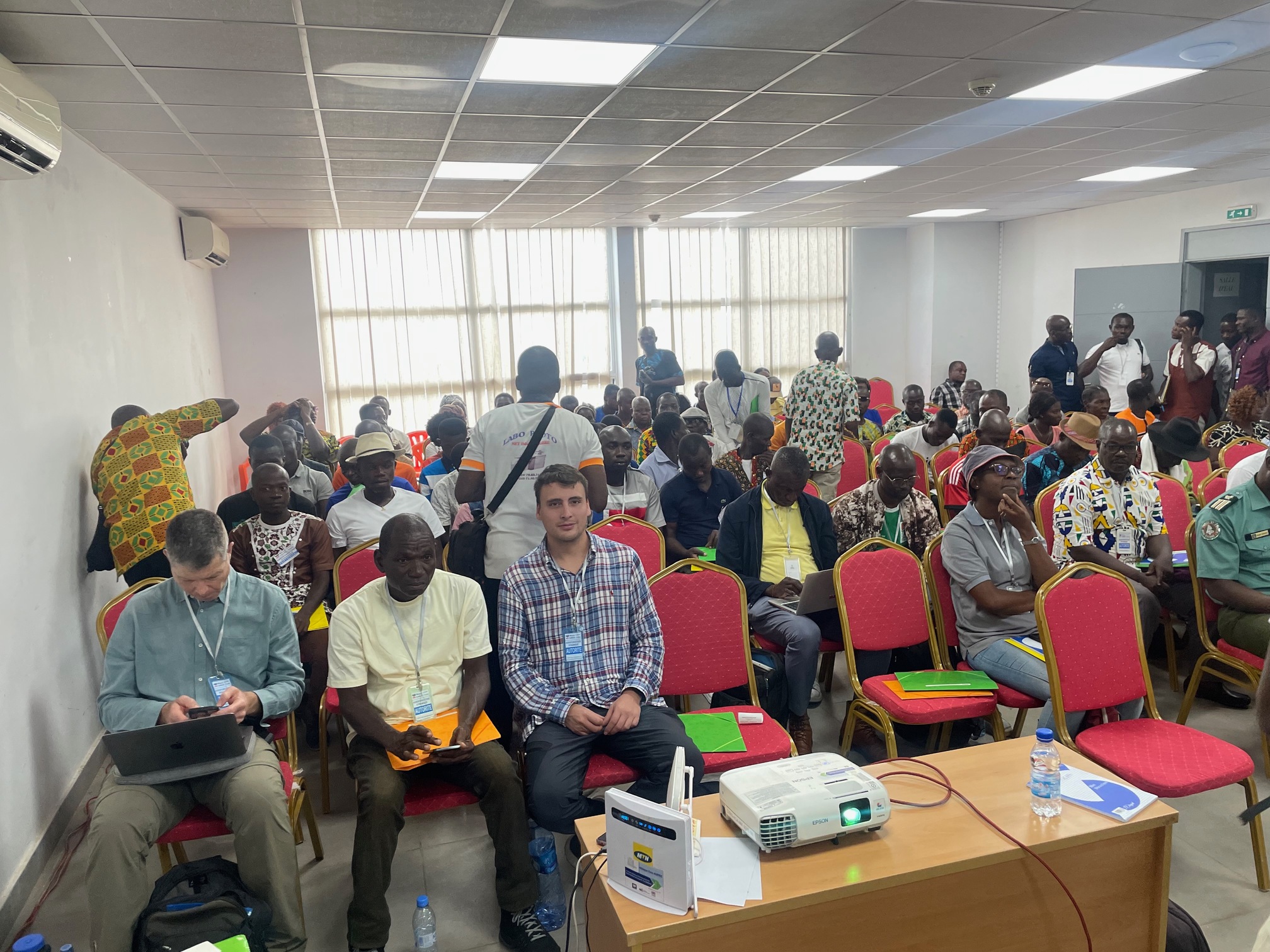
From 2018 onwards, the work scaled across continents. DAF trials and farmer programmes were established in Ghana, Burkina Faso, Sierra Leone, the Dominican Republic, Madagascar, Benin, Côte d’Ivoire and beyond — each one led by a local partner and supported by ECOTOP’s design, training, and implementing expertise.

By the mid-2020s, ECOTOP’s portfolio spanned fourteen countries, with more than 10,000 farmers directly impactedand over 5,600 hectares of DAF implemented. From a handful of experimental plots in Alto Beni, the method had grown into a global network of practitioners, researchers, and partners.

Driving Change Through Research, Training, and Implementation

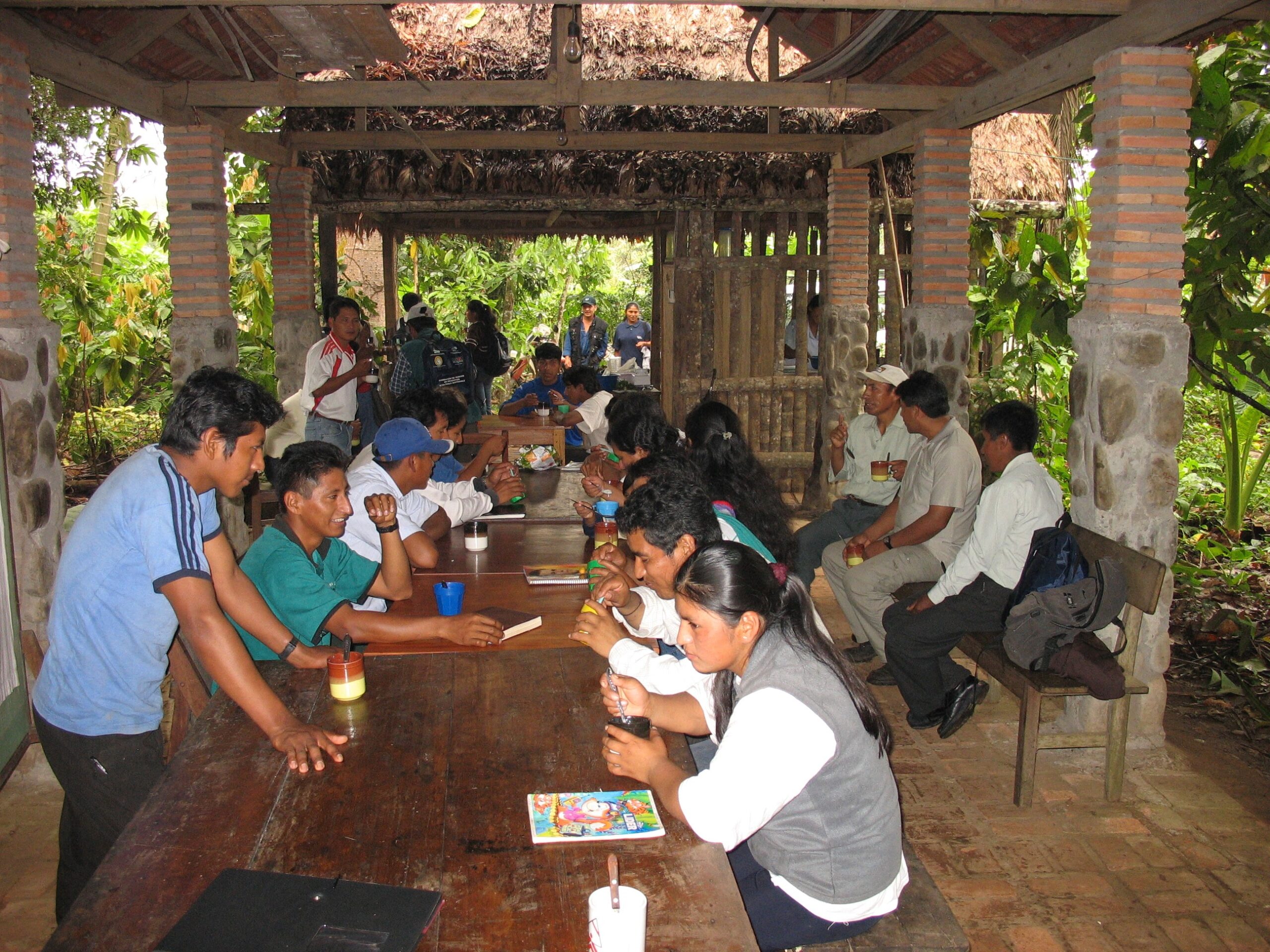
From its roots in Sapecho, ECOTOP quickly became a center for research, training, and practical implementation in the region.

Farmer-Centric Approach

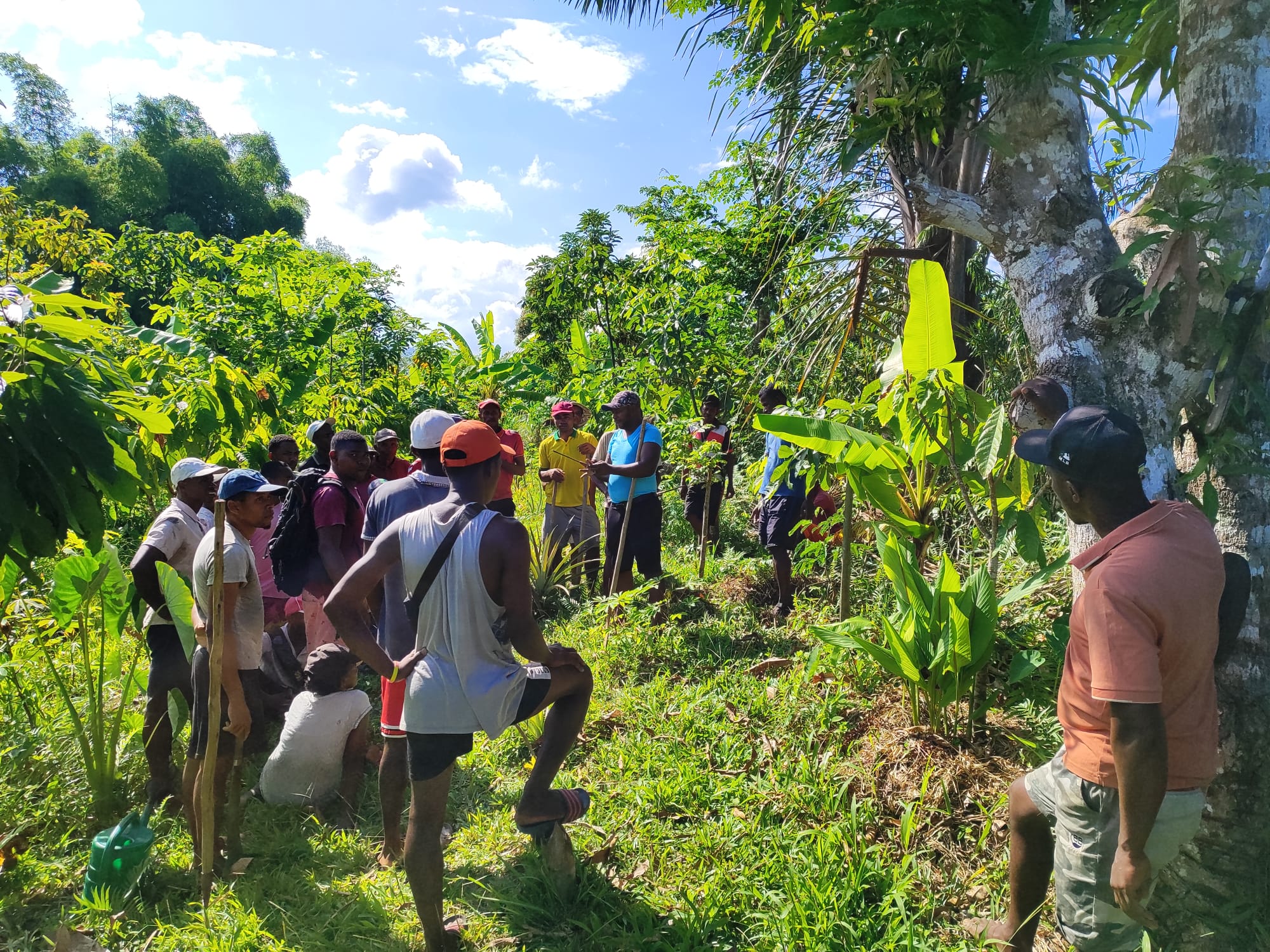
ECOTOP emphasized participatory methods, working directly with smallholder farmers to co-design agroforestry systems that fit their specific needs and landscapes.

Research & Scientific Validation

ECOTOP played a leading role in proving the effectiveness of Dynamic Agroforestry. Key research initiatives include:

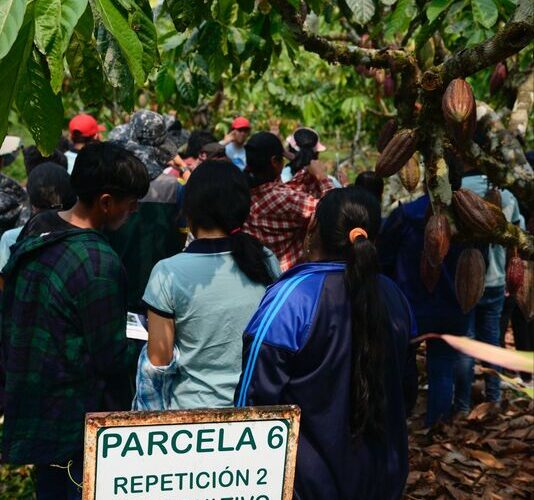
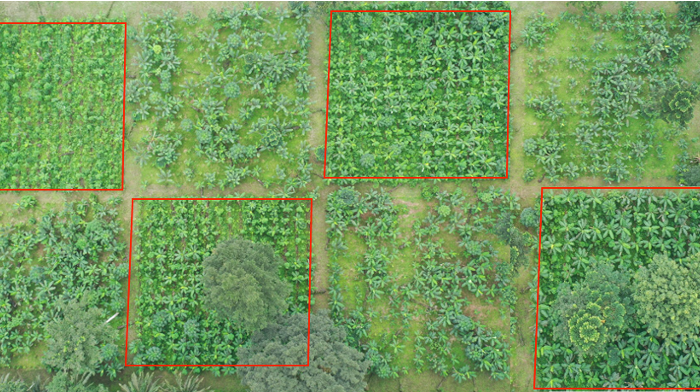
  • SysCom Bolivia (Sara Ana): Since 2007, ECOTOP has managed Bolivia’s largest long-term scientific comparison of cocoa production systems in collaboration with FiBL. The study evaluates conventional monocultures, organic monocultures, diversified agroforestry, and DAF systems, providing critical data on productivity, soil health, and ecosystem resilience..
  • Trials with Cocoa Research Institute of Ghana (CRIG): In 2022, ECOTOP designed and supervised DAF trial plots in Ghana, integrating cocoa with fast- and slow-growing trees to enhance long-term biodiversity, resilience, and yields. These trials have gained recognition from the Ghana Cocoa Board (COCOBOD), which is considering integrating DAF into national cocoa policies.

Institutional Partnerships & Policy Impact

ECOTOP has been instrumental in influencing regional and national policies, including:

  • Banning slash-and-burn in Alto Beni: ECOTOP successfully advocated for a municipal ban on chaqueo con quema (slash-and-burn), promoting chaqueo sin quema (slash-and-mulch) as a sustainable alternative.
  • Declaring Alto Beni free from mining: Through collaboration with local organizations and community votes, ECOTOP supported legal action to ban mining activities in the region, protecting forests and water sources.

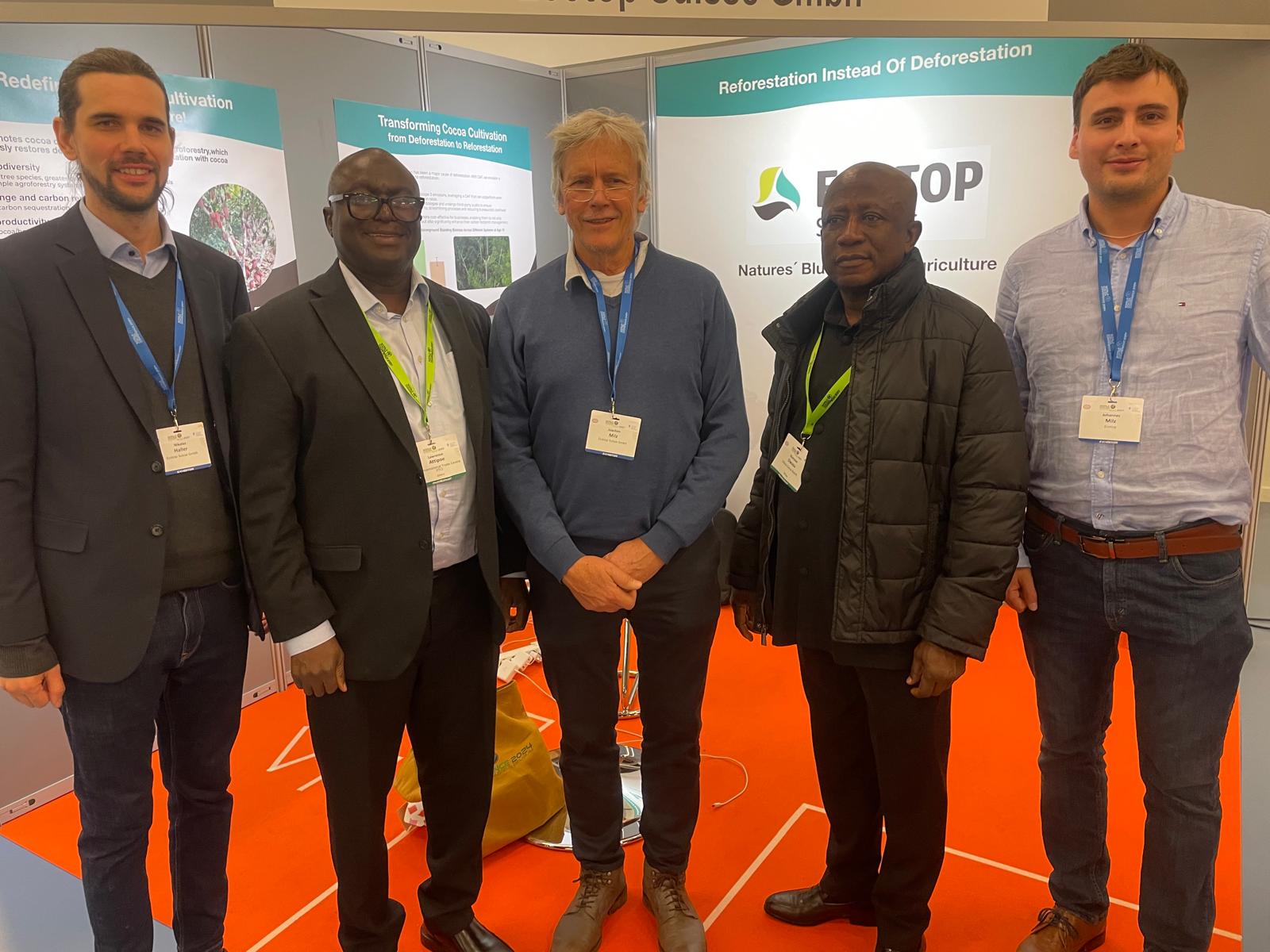
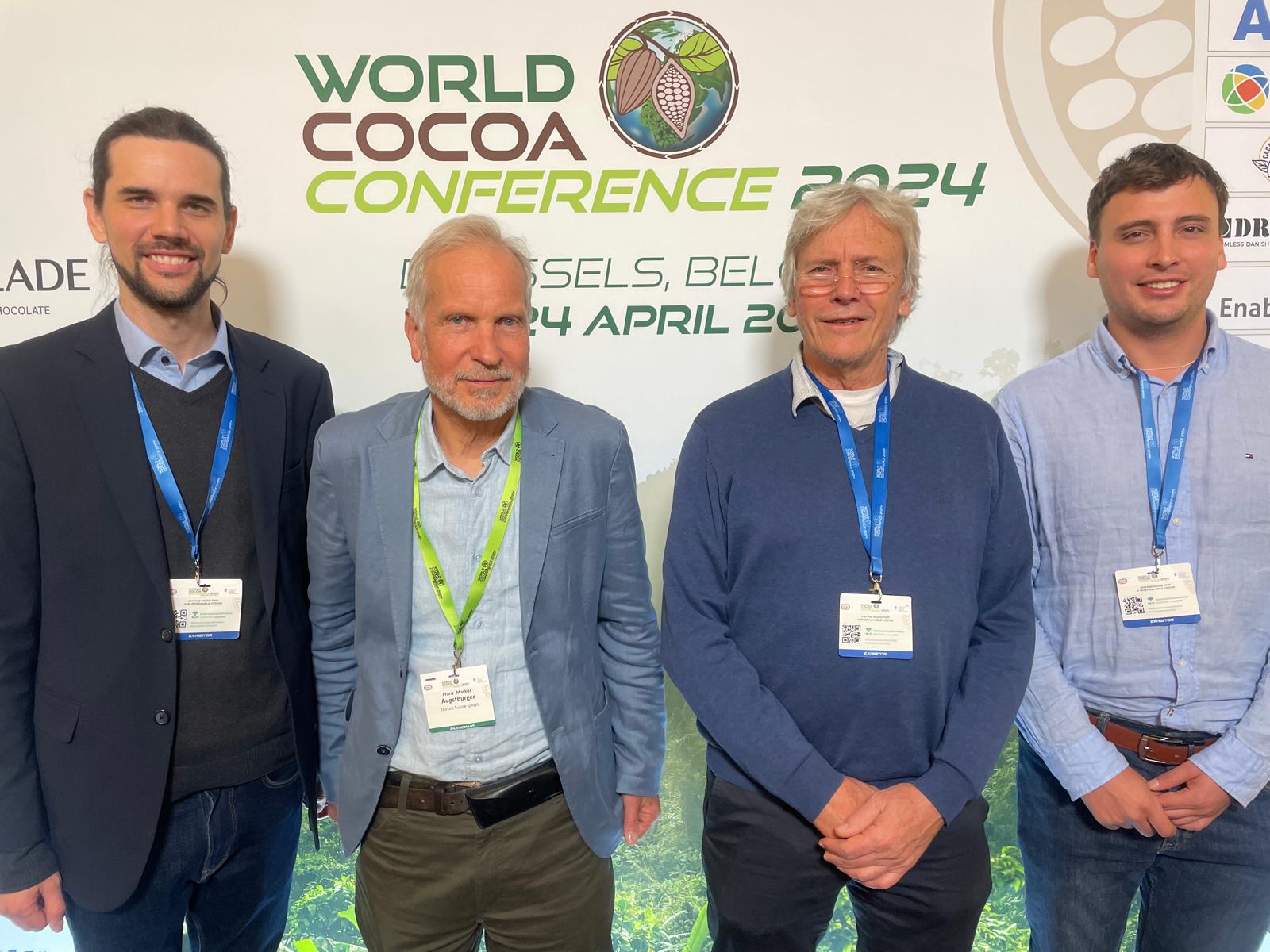
Scaling Agroforestry through International Cooperation: ECOTOP is part of the Swiss Platform for Sustainable Cocoa (SWISSCO) and the SANKOFA Project in Ghana.

ECOTOP Today & The Road Ahead

From its humble beginnings in Sapecho, ECOTOP has grown into a global leader in Dynamic Agroforestry—pioneering nature-based solutions for climate resilience, biodiversity restoration, and sustainable food production.
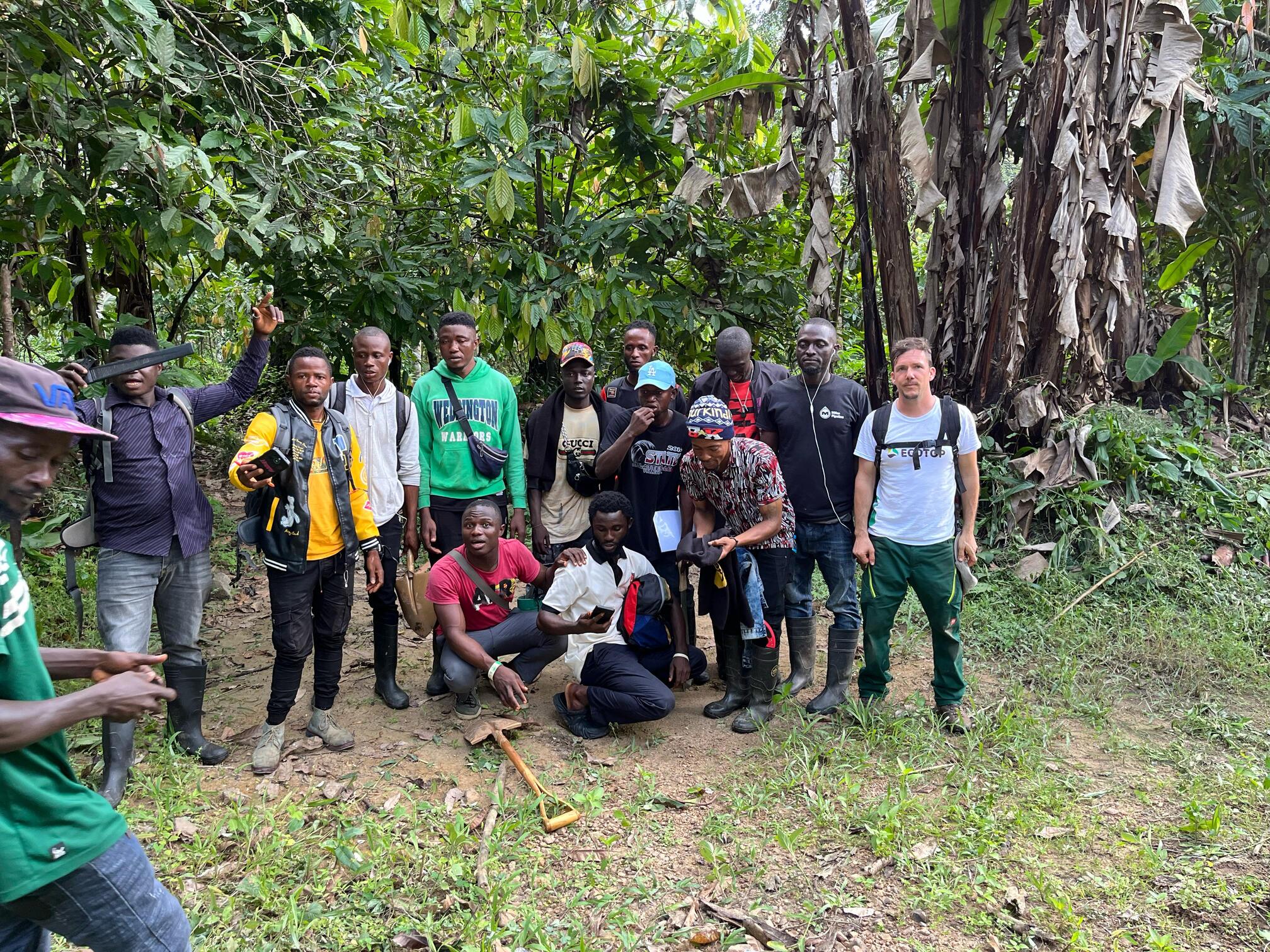
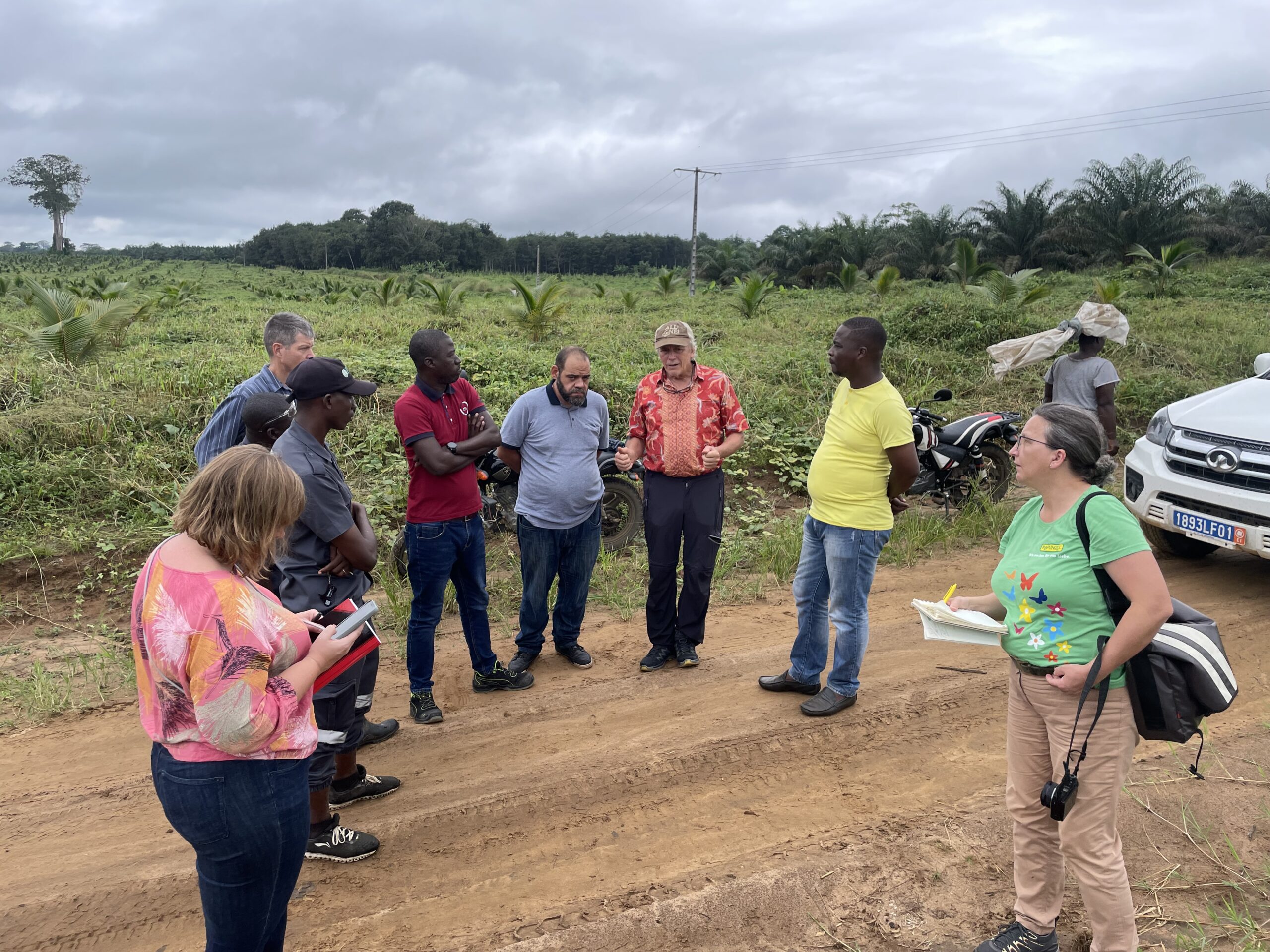
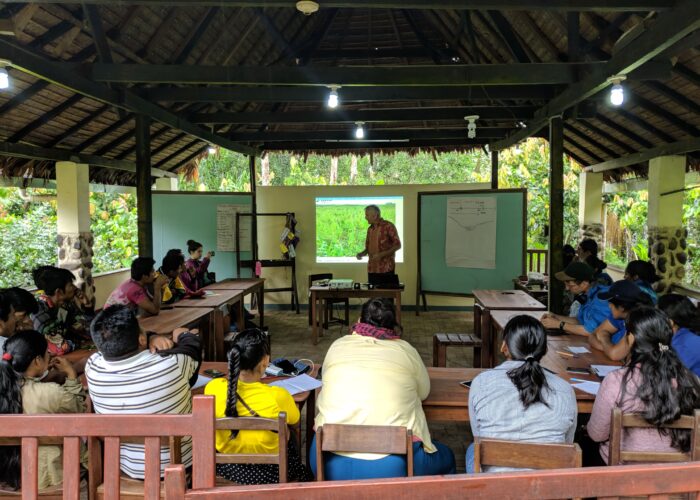
  • Training & Knowledge Exchange: ECOTOP continues to train farmers, researchers, and businesses in regenerative agriculture, hosting international courses and developing educational programs with Bolivian universities.
  • Expanding Research & Carbon Solutions: With growing interest in carbon insetting and agroforestry-based carbon removals, ECOTOP is actively shaping methodologies that bridge ecological restoration with business sustainability goals.
  • Scaling Impact: Through partnerships with NGOs, governments, and the private sector, ECOTOP is working to expand the adoption of DAF globally, proving that agriculture can be both productive and regenerative.

Our mission remains clear

Regenerate landscapes, empower farming communities, and demonstrate that working with nature is the key to a resilient agricultural future

Curious?

Get in touch with us to find out how we can work together!