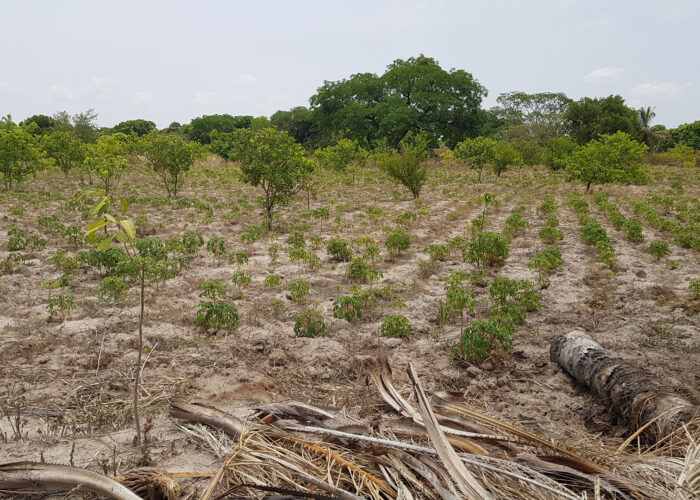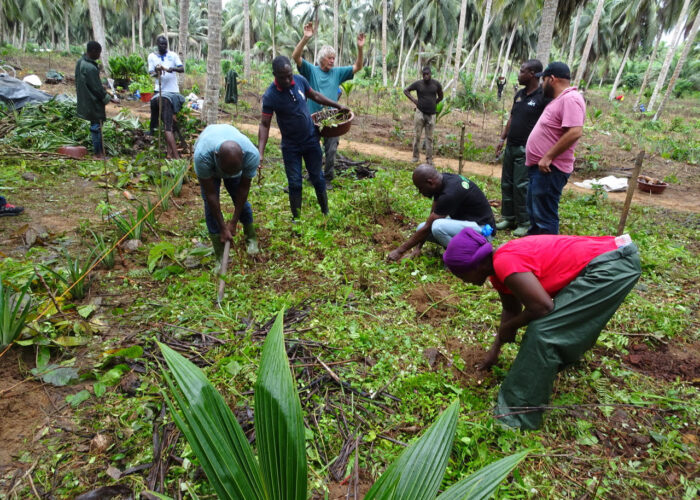
From cocoa monocultures in higher producer African countries (1) to massive landscapes of oil palm plantations in Southeast Asian (2), monocultures dominate the agricultural landscape of today. The rise of monoculture farming is attributed to technological and scientific advancements made in the 20th century. The invention of specialized machinery and mineral fertilisers increased the possibility of obtaining higher crop yields per hectare than centuries before (3).
Despite the quick, efficient and cost-effective nature of monoculture farming, it carries a heavy ecological and environmental burden (4). Reporting from the Food and Agriculture Organization shows that nearly 30% of global emissions come from the agrifood sector (5) with 40% of it resulting from crop farming practices (6). Among the variety of farming philosophies developed to build climate resilience and avoid negative environmental impact, this post will highlight Dynamic Agroforestry and present evidence of its usefulness from the field.
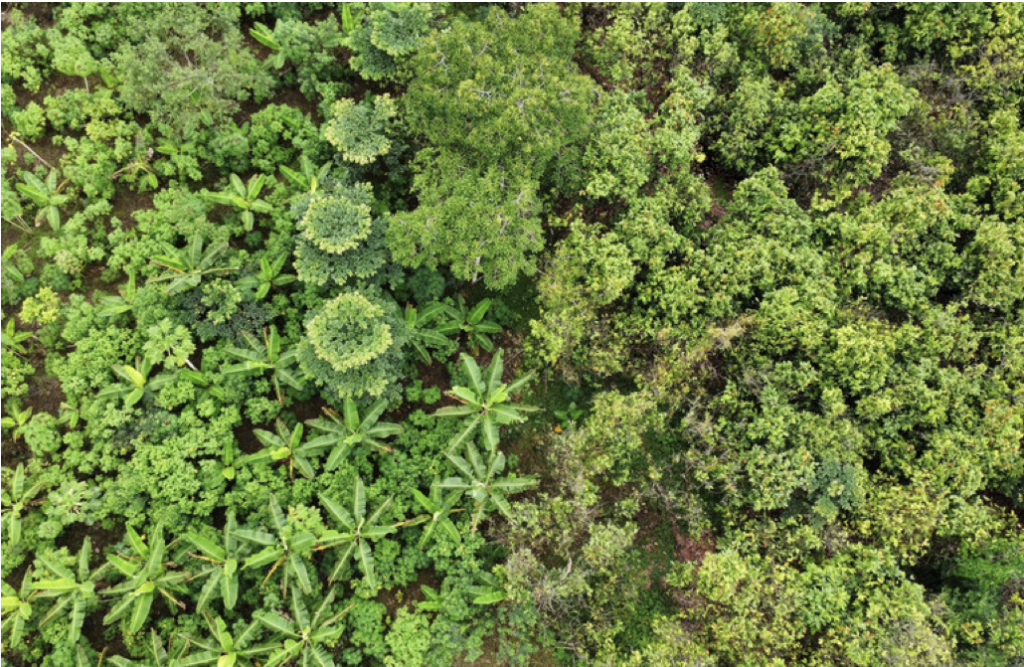
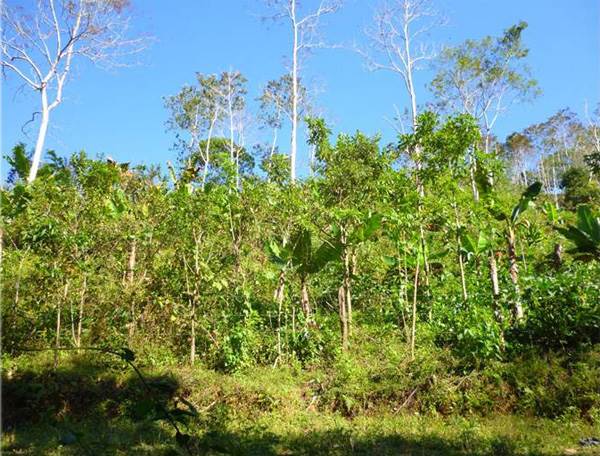
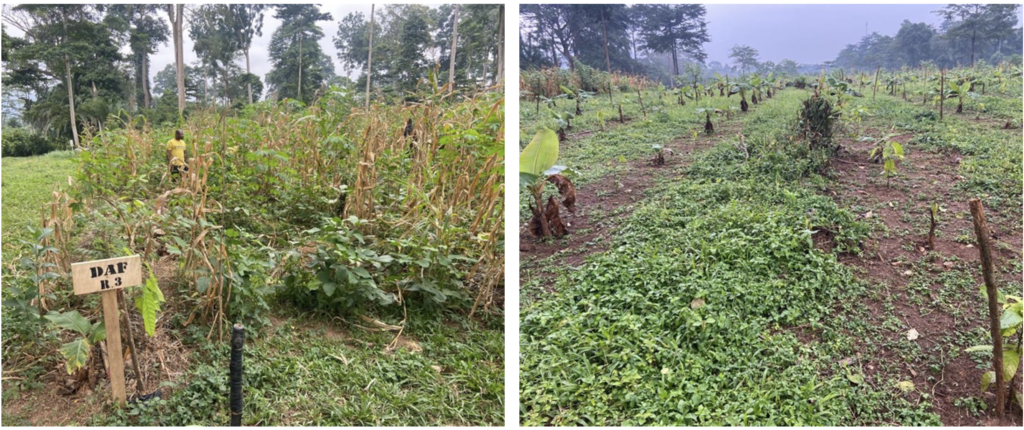
Dynamic agroforestry (DAF) is a system of cultivation that follows the natural succession and ecological structure of forest ecosystems (1). Appropriately, DAF systems are characterized by low external inputs (like fertilisers, pesticides, fungicides and similar), high planting densities and management practices like pruning, grafting and mulching (1). DAF systems possess different species of plants and trees growing in the system, boasting high biodiversity (1).
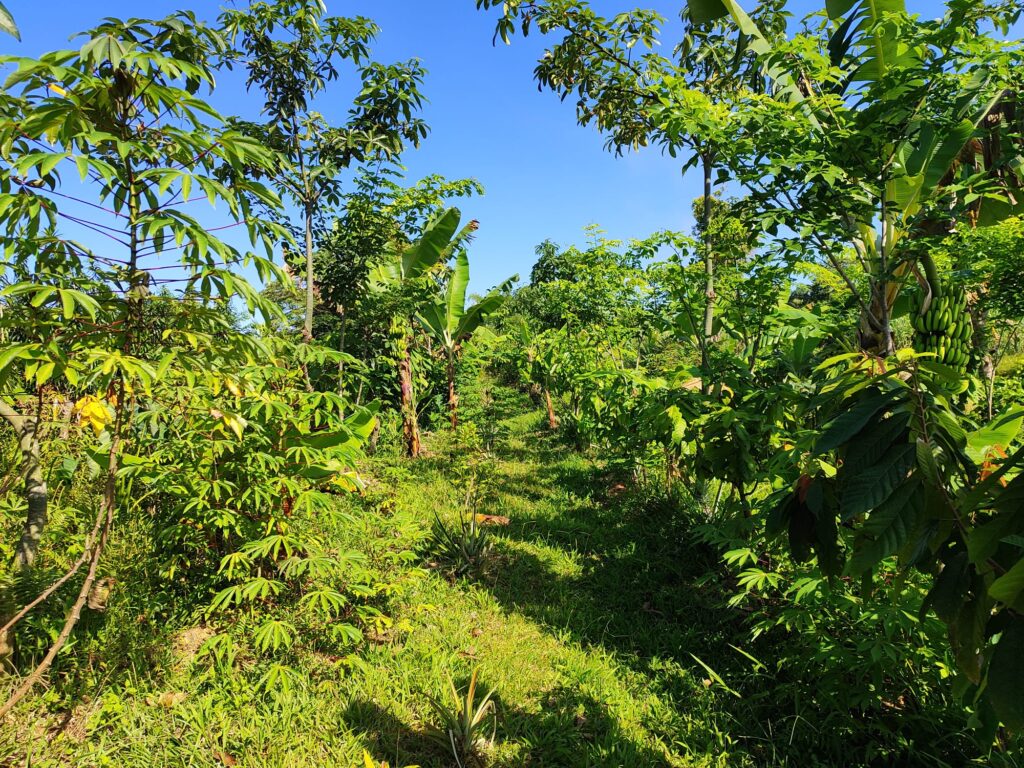
By imitating natural forest ecosystems, DAF reduces soil infertility, pests, diseases, and erosion (1) while increasing biodiversity, water-regulation efficiency, climate resilience, and carbon sequestration (7). Despite monocultures beating DAF systems with higher target yields in the short-run, the side effects of water pollution, biomagnification of toxins, biodiversity loss, and high emissions fail to redeem it (4).
The mass conversion of natural forests and ecosystems was done to incorporate large scale monocultures across the world (2)(8). This has led to the decline of natural ecosystems through erosion and loss of biodiversity (8). DAF systems are suited better for the reduction of deforestation and the restoration of the natural environment. The availability of different crop species in the system leads to better ecosystem services which accommodate more animals, plants, and fungi (1).
A major factor influencing the rapid adoption of monoculture farming has been the reliable income stream farmers could achieve by specializing in a single crop with predictable input and overhead costs (9). However, the increasing impacts of climate change are revealing the vulnerability of monocultures to drought and temperature stress, leading to declining yields (10).
Currently, cocoa yields under “common practice” cocoa systems in West Africa—the world’s main cocoa-producing region—are below 400 kg/ha, which is far below optimal production levels. When managed correctly, DAF systems can achieve yields more than twice current production levels. The diversity inherent in DAF systems is key to building climate resilience and enabling the production of a wide range of crops, rather than reliance on a single commodity (1).
In conclusion, there is significant potential for the adoption of DAF to address the challenges posed by monocultures while safeguarding environmental health, ensuring a sustainable food supply, and supporting farmer livelihoods.