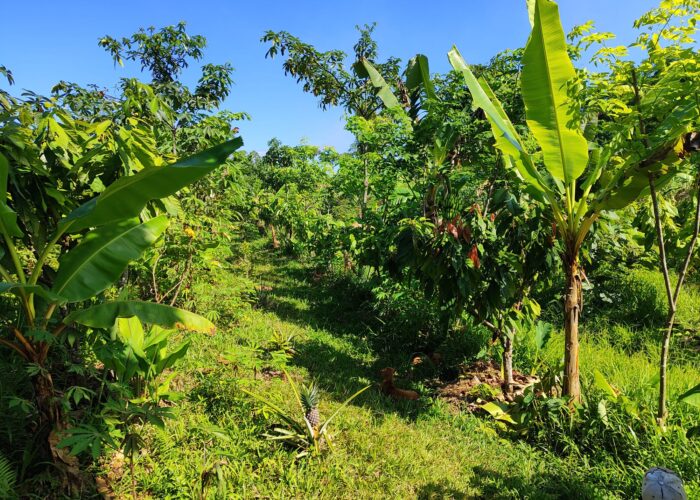
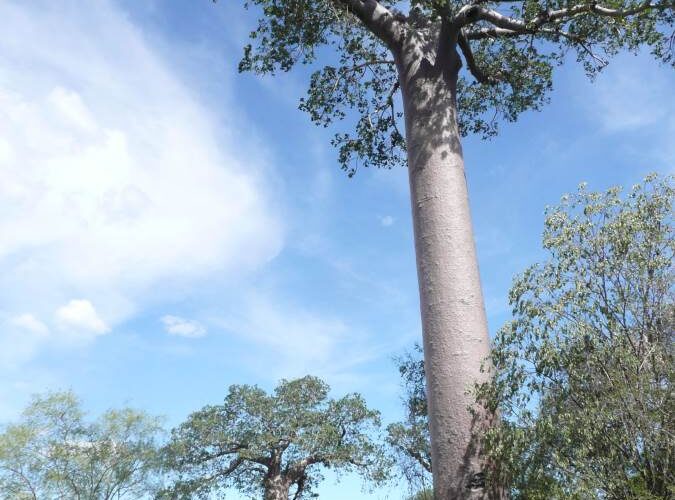
The Scaling Cocoa Sustainability initiative introduces high-canopy pruning as an innovative technique to enhance Dynamic Agroforestry (DAF) systems. Coordinated by ECOTOP Suisse, the project tackles one of cocoa’s biggest agroforestry challenges — excessive shade from unmanaged trees, which limits yields and ecosystem balance.
By integrating scientific research with cooperative-based implementation, the project empowers local farmers, boosts productivity, and maintains biodiversity across major cocoa-producing regions.
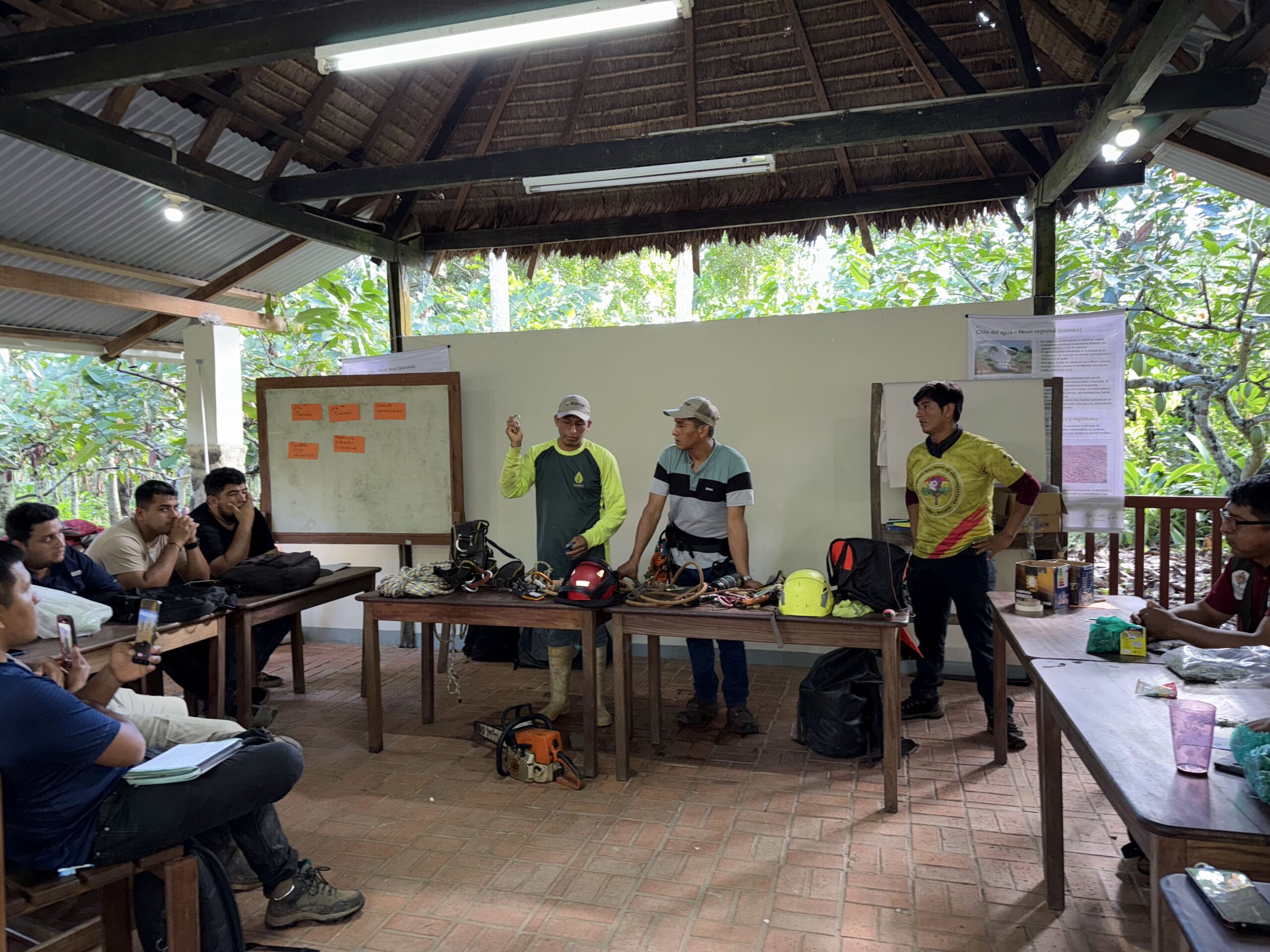
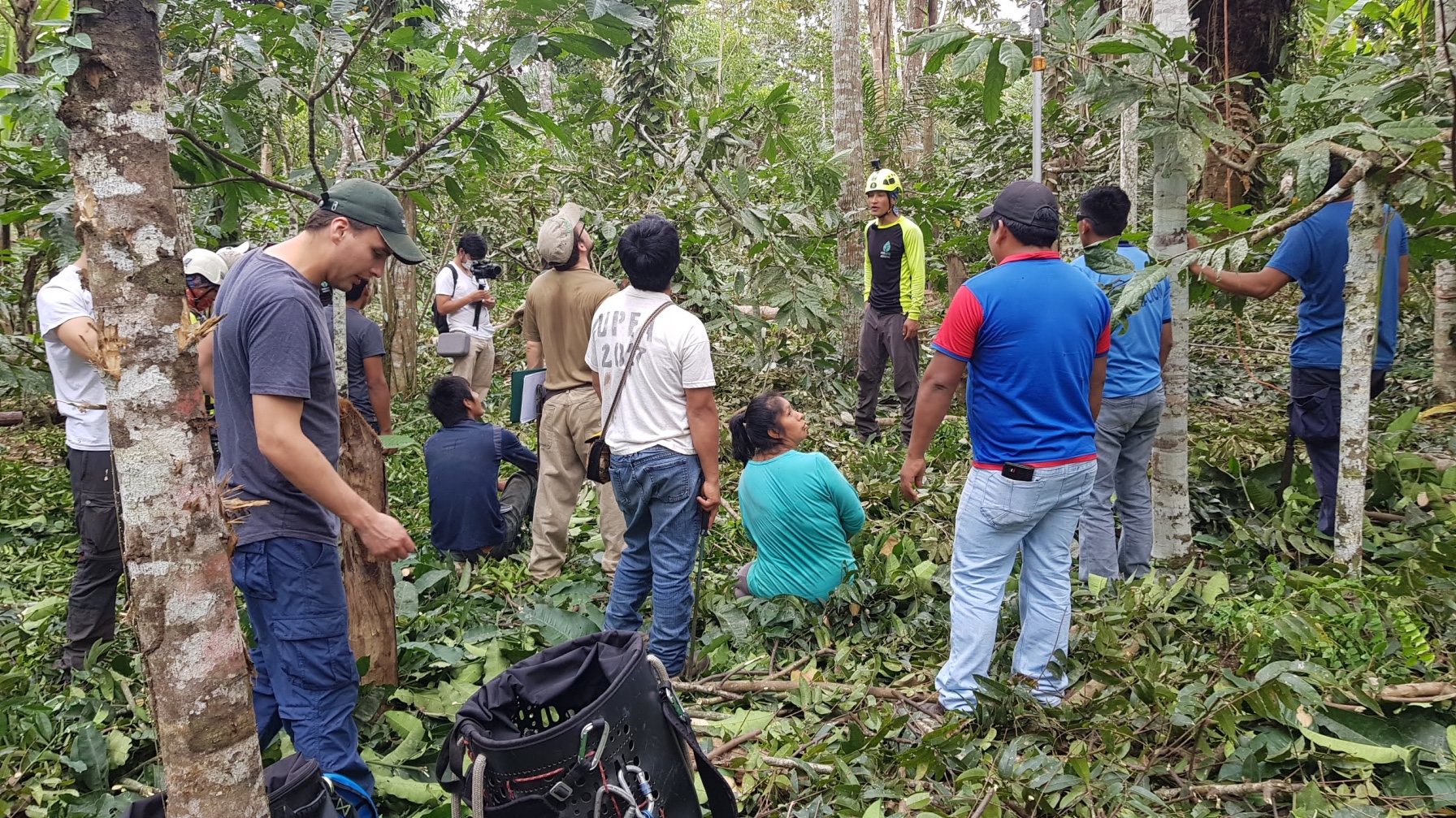
Increase cocoa yields through strategic pruning of high-canopy trees.
Improve climate resilience and carbon sequestration in agroforestry systems.
Strengthen farmer cooperatives through certified pruning services and training.
Facilitate regional knowledge exchange among Latin American cocoa organizations.
Generate open-access research data and best-practice guidelines for the global cocoa sector.
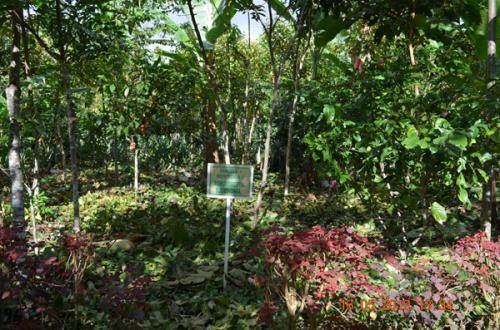
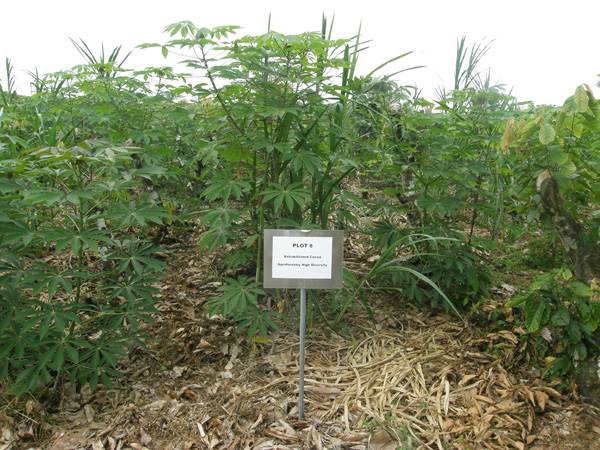
The project anchors a long-term experiment at the Sara Ana Research Center (Bolivia) to test pruning methods, shade density, and productivity.
Complementary on-farm trials in all partner countries broaden insights and validate outcomes for scalability.
Results will inform training curricula, arborist certification, and policy recommendations to guide cocoa sector transformation.
The initiative prioritizes local ownership and gender equity:
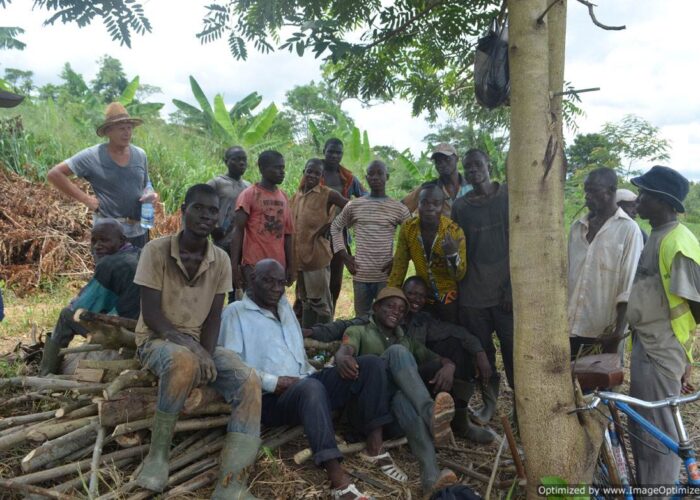
Women actively participate in training, cooperative leadership, and feedback platforms.
Local cooperatives embed arborist services for economic sustainability.
Farmers co-invest and progressively assume ownership of pruning services.
This inclusive approach strengthens livelihoods, social equity, and long-term resilience.
Reduced deforestation through improved tree management.
Higher carbon sequestration in well-maintained DAF systems.
Biodiversity conservation via diversified agroforestry models.
Open-access knowledge sharing for the wider cocoa sector.
This multi-actor partnership bridges science, private enterprise, and farmer networks:
ECOTOP Suisse GmbH — Project coordination and scientific oversight.
ECOTOP Foundation (Bolivia) — Field implementation and farmer training.
PIAF–El Ceibo — Extension services and on-farm trials.
FiBL Switzerland — Research leadership and data analysis.
Halba & Bernrain (Switzerland) — Private-sector scaling and market integration.
COOPROAGRO (DR) & UNOCACE (Ecuador) — Pilot plot management and arborist training.

The activities align with the following Sustainable Development Goals (SDFs):